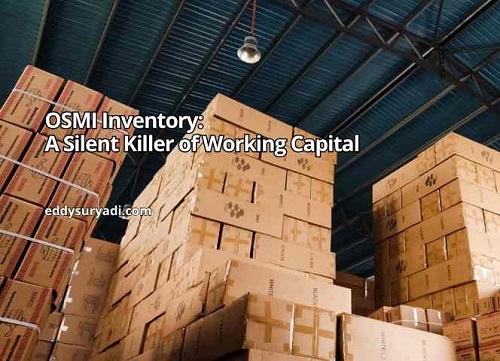
In today’s fast-paced and competitive business environment, managing inventory efficiently is more than just a best practice—it is a necessity. For many organizations, especially those in manufacturing, retail, and asset-intensive industries, the silent drain on profitability often comes not from major operational failures, but from unnoticed inefficiencies. One such hidden threat is OSMI inventory—Obsolete, Slow-moving, and Excess Inventory.
While many businesses focus on driving sales and optimizing procurement, the subtle buildup of OSMI inventory in warehouses quietly erodes working capital and reduces financial agility. In this article, we will explore what OSMI inventory is, why it is harmful, how to identify it, and practical strategies to mitigate its impact on your business.
Understanding OSMI Inventory
OSMI stands for:
- Obsolete Inventory: Items that are no longer sellable or usable, often due to expired shelf life, product obsolescence, or technological advancements.
- Slow-moving Inventory: Products that experience low turnover and sit in inventory for long periods.
- Excess Inventory: Stock that exceeds forecasted demand or optimal inventory levels.
Each of these components poses a unique risk to your supply chain, yet they share a common consequence: tying up valuable working capital that could be used more productively elsewhere in the business.
The Real Cost of OSMI Inventory
It is easy to underestimate the financial impact of OSMI inventory. At first glance, having extra stock might seem like a buffer against demand uncertainty. However, when inventory accumulates beyond what is needed, it starts to eat into storage space, incur holding costs, and lose value over time.
Here are a few ways OSMI inventory damages working capital:
- Capital Lock-In: The funds used to procure excess or obsolete inventory are locked away, unavailable for other critical needs such as innovation, marketing, or expansion.
- Higher Holding Costs: Warehousing costs increase with the volume of inventory, especially for items that are not moving.
- Risk of Write-Offs: Obsolete items may eventually be written off completely, resulting in direct financial losses.
- Operational Inefficiency: Managing a cluttered warehouse filled with slow-moving items increases labor time and reduces picking efficiency.
In the long run, these costs silently accumulate, weakening the company’s financial flexibility and resilience.
Identifying OSMI Inventory
Recognizing OSMI inventory early is critical. Unfortunately, many businesses discover the problem only when it becomes a significant financial burden. Here are some indicators to look out for:
- Low Inventory Turnover Ratio: A declining ratio suggests that items are not selling as fast as expected.
- Aging Inventory Reports: These reports highlight stock that has been in storage beyond the acceptable time threshold.
- Frequent Stock Adjustments: Regular write-downs or adjustments in inventory value may indicate a buildup of obsolete stock.
- Declining Product Demand: If market interest in a product is falling, it may soon become slow-moving or obsolete.
Modern inventory management systems and ERP tools can help generate insights into stock movements and highlight problem areas. But human oversight, such as regular cycle counts and cross-functional reviews, remains equally important.
Practical Strategies to Manage and Reduce OSMI
Tackling OSMI inventory requires a proactive, disciplined approach involving people, processes, and technology. Here are some strategies that have proven effective across industries:
- Improve Demand Forecasting Use historical data, market trends, and customer insights to generate accurate forecasts. Involving sales and marketing teams in demand planning can provide a more comprehensive view.
- Implement ABC Analysis Categorize inventory based on value and movement. Focus on high-value, fast-moving items (A items) while carefully managing B and C categories.
- Adopt Just-In-Time (JIT) Principles While not suitable for all environments, JIT practices can reduce excess inventory by aligning purchases closely with actual demand.
- Regularly Review and Rationalize SKUs Conduct periodic reviews to identify underperforming or duplicate SKUs. Streamlining your product catalog can significantly reduce slow movers.
- Set Inventory Thresholds and KPIs Define clear metrics for turnover rates, stock age, and reorder points. Use dashboards and alerts to monitor deviations in real time.
- Strengthen Supplier Collaboration Work closely with suppliers to shorten lead times and adjust order quantities. Flexible supply agreements can help avoid overstocking.
- Create an Exit Strategy for Obsolete Stock Develop policies for discounting, repurposing, or disposing of obsolete items. Consider donations or recycling programs where appropriate.
A Culture of Inventory Discipline
The most effective defense against OSMI inventory is cultivating a culture of inventory discipline throughout the organization. This includes:
- Encouraging cross-functional collaboration between procurement, sales, operations, and finance.
- Promoting accountability and ownership of inventory health across departments.
- Investing in training and tools that empower teams to make informed decisions.
Leadership plays a crucial role in setting the tone. By making inventory efficiency a shared objective, companies can embed a proactive mindset into daily operations.
OSMI inventory may not make headlines, but its impact on working capital is significant. Left unmanaged, it quietly drains financial resources and limits organizational agility. However, with awareness, measurement, and a structured approach, businesses can transform this silent killer into an opportunity for improvement.
Managing OSMI inventory is not just about cutting costs; it’s about enabling growth. By freeing up working capital and streamlining operations, companies can better respond to market changes, invest in innovation, and deliver greater value to customers.
Start small, stay consistent, and make inventory health a strategic priority—your bottom line will thank you for it.
Please also read : What is OSMI? A Practical Guide to Managing Obsolete, Slow-Moving Inventory
That’s all from me. I hope you find this valuable and insightful!
“Transforming Supply Chains, Empowering People, Delivering Results – Eddy Suryadi”
*Feel free to share this article with your network to help them gain valuable insights as well. For more tips and updates on supply chain management, don’t forget to connect with me on LinkedIn. Please note that all articles on this blog are available for use—personal or commercial—but must include proper credit to the author.